
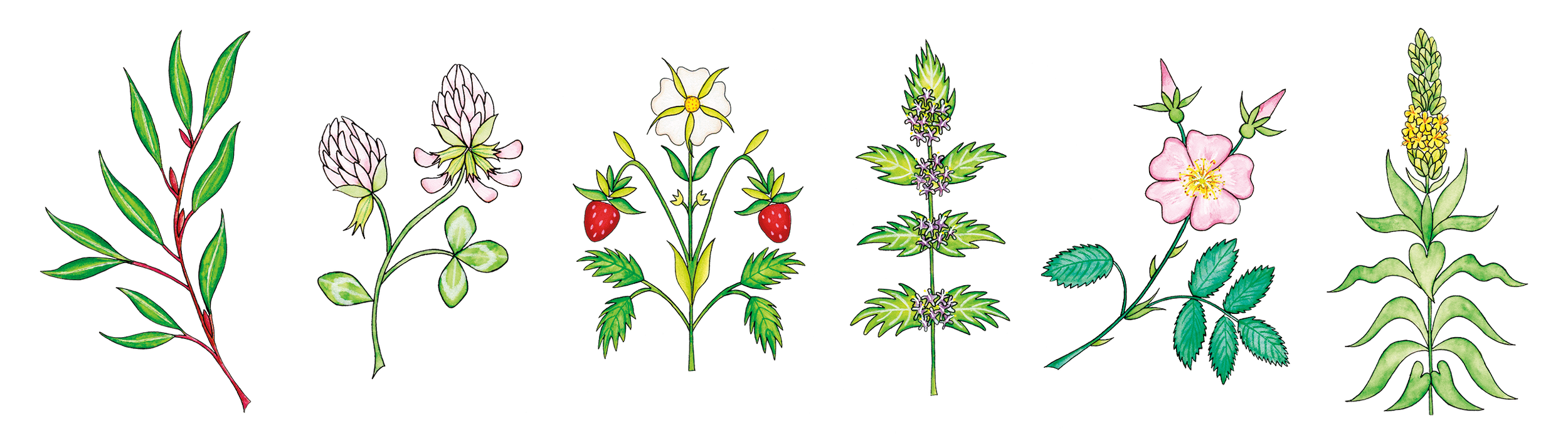
From time immemorial, plants have nourished and healed us all, physically, mentally, emotionally, and spiritually. Because we’ve been taught to nurture respectful, reciprocal relationships with them, we Indigenous Peoples refer to plants as relatives. Plants regenerate and replenish themselves when we give back to them and put effort into knowing and caring for them like family. As Carleton strives to live into its Land Acknowledgement and commitments made with Indigenous partners, a natural step is for the community to familiarize itself with the land the College occupies and get to know the nonhuman relatives who share it. In celebration of the centennial of Carleton’s stewardship of the land now called the Cowling Arboretum, we look at 10 such relatives, illustrated by Dakota artist Holly Young, that are honored by Indigenous Peoples for their healing properties. Some have always grown here, others were transferred to this land, known as the Americas, by European traders and trappers as they walked the land.* As they learned from watching animals interact with these non-native plants, healers also listened and knew inside their spirit which plants to trust for treating specific ailments and which plants to use for daily maintenance of health and wellbeing.
Good relationship practices with our plant relatives include introducing ourselves to them, giving gifts of tobacco, mindfully harvesting only the parts of plants we need in the amount needed, and carefully avoiding taking too much from one spot. These values and practices will be core to the experiences anticipated in a new site set aside for plant collection by Carleton’s Indigenous community and invited Indigenous partners. In fall 2023, an 11-acre field in the Upper Arb was planted to create space for plant observation, learning, and collection. As part of the Arb anniversary celebrations, the space will be dedicated this fall as a welcoming place for sustainable plant harvest by Carleton Indigenous students, faculty, and staff—along with others invited by them to the space—who have received or are currently receiving mentorship from an Indigenous plant knowledge keeper to learn proper identification, cultural protocols, and harvesting techniques. Carleton’s Arboretum staff, Indigenous communities liaison, and Indigenous Council of Elders will collaborate on stewardship practices for the site.
It is up to each of us to personally develop and practice the kinds of awareness and connections with plants necessary to maintain healthy, reciprocal relationships with them and ensure their growth for the next seven generations. As they always have, the plants within the Arb will continue to inspire, inform, and provide for the health and wellbeing of their human relatives sharing the land.
—Ida Downwind
*Arboretum director Nancy Braker ’81 notes that the College does not manage against the nonnative plant relatives featured here, understanding their value to Indigenous Peoples.
Northern White Cedar

Thuja occidentalis
Ḣaƞteṡa (Dakota)
Giizhik (Ojibwe)
Cedar is our Tree of Life because it holds an abundance of healing attributes. Like Sage, Cedar is used in ceremonies to cleanse and purify. Small sprigs of Cedar are steeped as an aromatic brew that can be used for steaming to ease symptoms of respiratory infections or enjoyed as a tea. It especially targets fungal infections and skin problems. Healing properties are most concentrated in Cedar berries. As we view all plants as medicine, including those we eat, care should be taken to not consume large amounts of any of these plants, but this is especially true of Cedar, which can harm the liver and kidneys.
Wild Prairie Rose

Rosa arkansana
Oƞżiƞżiƞtka (Dakota)
Bizhikiwiginiig (Ojibwe)
Most people would never guess that roses, particularly Wild Prairie Roses, are powerful anti-inflammatories. My Aunt would give Rose tea to a woman who suffered from painful arthritis because she knew it helped reduce swelling. She would often combine anti-inflammatories, mixing Rose tea with swamp tea, commonly known as Labrador tea, for instance. It is also beneficial in treating upper respiratory infections and clearing lungs, and the Rose hips that develop in the fall are packed with vitamin C.
Lavender Hyssop

Agastache foeniculu
Waḣpe yaṭapi (Dakota)
Wezaawanashkwak (Ojibwe)
Waḣpe yaṭapi refers to the shape and texture of the entire plant, describing outstretched arms with fuzzy, hair-like surfaces. It treats respiratory congestion, colds, and coughs, because it works well to loosen up phlegm trapped in the lungs. It can be combined with Mullein, if available, to intensify effects of both medicines. It is also a good remedy for indigestion and reflux, and the leaves can be made into tea or added as a tasty addition to soups or salads.
Wild Strawberry

Fragaria virginiana
Ważuṡteca (Dakota)
Ode’imin (Ojibwe)
Ode, heart in Ojibwe, describes the shape of the berry. I was taught that this beautiful berry helps to strengthen the heart. It is one of the berries used in ceremonies and it is the first berry to grow in the spring. It helps to soothe the stomach and supports healthy skin. It boosts immune systems. Preparations of the berries don’t have to be specific, as Ważuṡteca are helpful in all forms.
White Prairie Sage
Artemesia ludoviciana
Waḣṗeżiḣota (Dakota)
Bizhikii-wiingashk (Ojibwe)
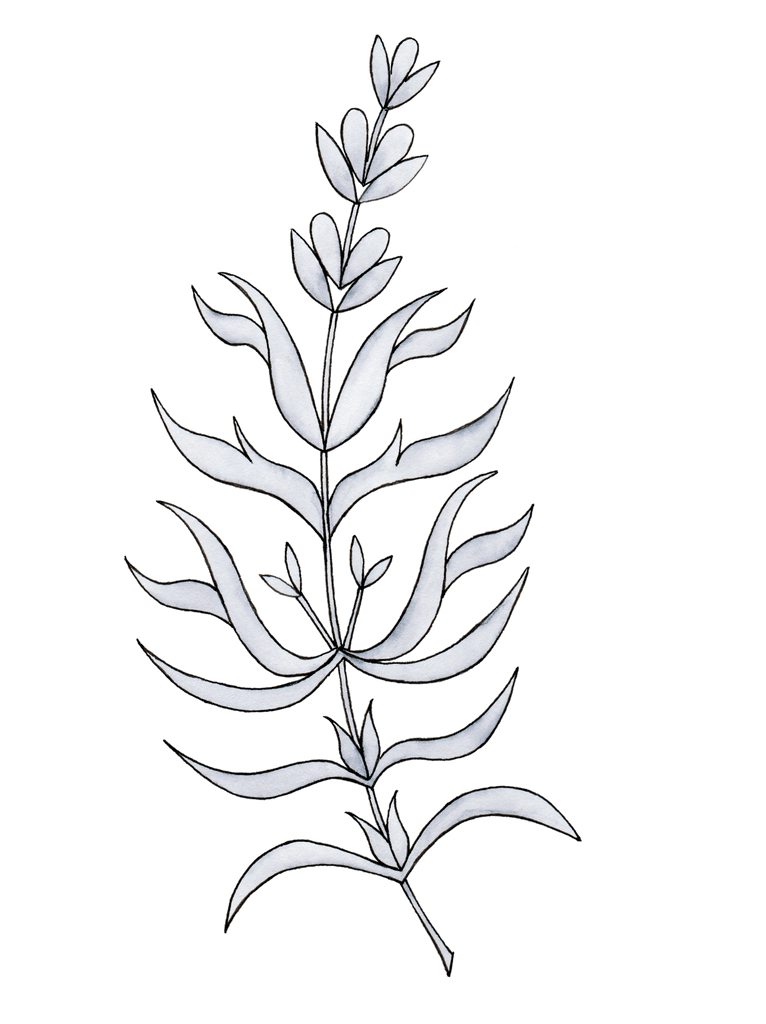
We call Waḣṗeżiḣota one of the miracle plants. It stops bleeding for wounds, soothes sore throats caused by irritation or illness, and aids digestion. It can be used to treat heavy bleeding during women’s menstrual cycles and must be prepared by caregivers. In ceremonial practices, Sage is lit to purify and cleanse the environment. This is an example of modern science catching up to our traditional teachings, as multiple studies have confirmed its antibacterial, antimicrobial, and antiviral properties.
Mullein†
Verbascum thapsus
Ape hiŋṡma (Dakota)
Nookaadiziiganzh (Ojibwe)
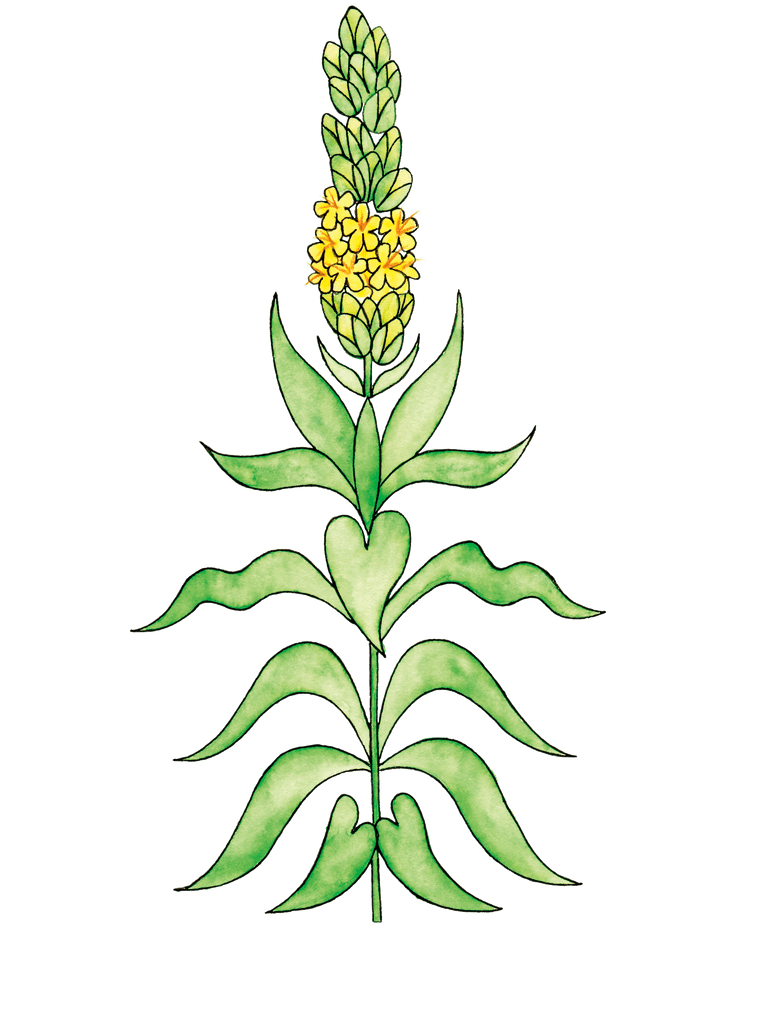
Mullein was tracked into these lands through European contact. Through their reciprocal relationships with this plant and trusting our ways of knowing, our ancestors learned that the fine hairs on Mullein would irritate the inner lining of organs, especially the throat and lungs. As a result they would carefully strain teas made from the leaves before consuming. Mullein is key in treating any kind of illness impacting the lungs. In particular, I have seen it proven very effective for treating asthma and, more recently, COVID-19 and the harsher strains of influenza.
Dandelion†
Taraxacum officinale
Waḣcazi (Dakota)
Doodooshaaboojiibik (Ojibwe)
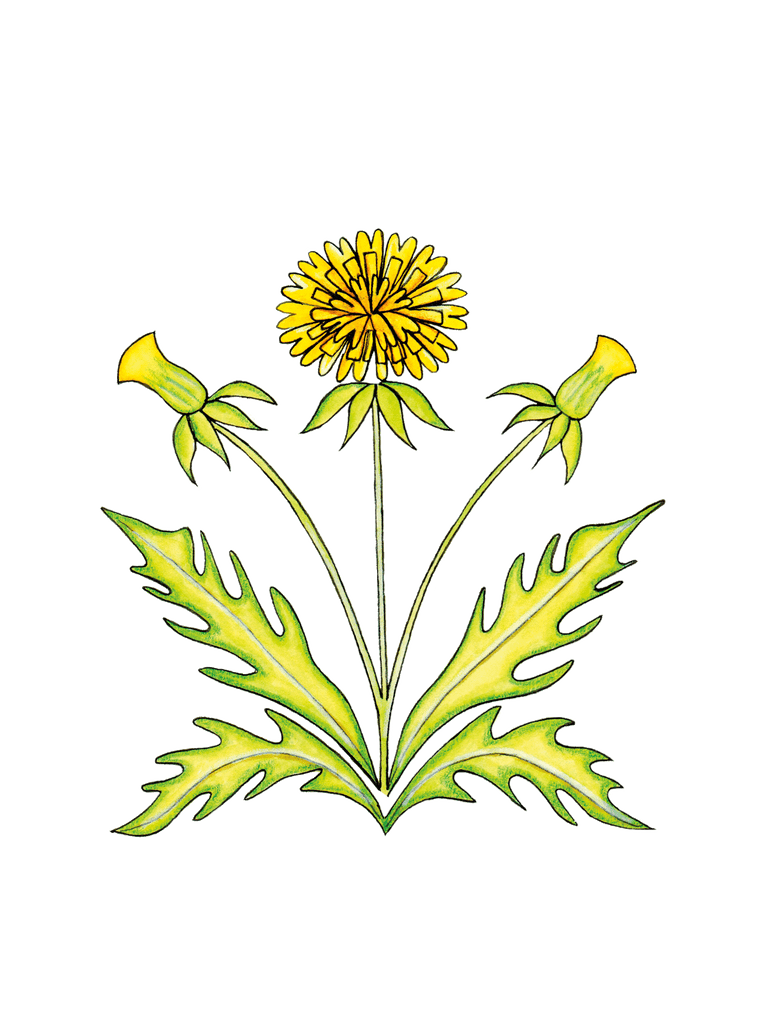
The Ojibwe name describes the usage of the dandelion root: Doodooshaa is milk; Mindimooyen is what we older women are called. My Aunts and Uncles treated many people with these Doodooshaboojibik remedies. It is used to increase milk flow for new moms. The root can be dried until brown then powdered and used as a coffee substitute. It has many other uses depending on how it is prepared. For example, both medicine for blood disorders and treatment of heartburn is taken from the root. Every part of the plant is good for eating. The leaves and yellow flowers can be eaten in salads. When mixed with oil, the yellow flowers treat earaches. Be cautious not to consume too much at one time. The root can cause diarrhea. Although in moderation it is a good treatment for heartburn, it can cause heartburn if too much is taken.
Red Willow (or Red Osier Dogwood)
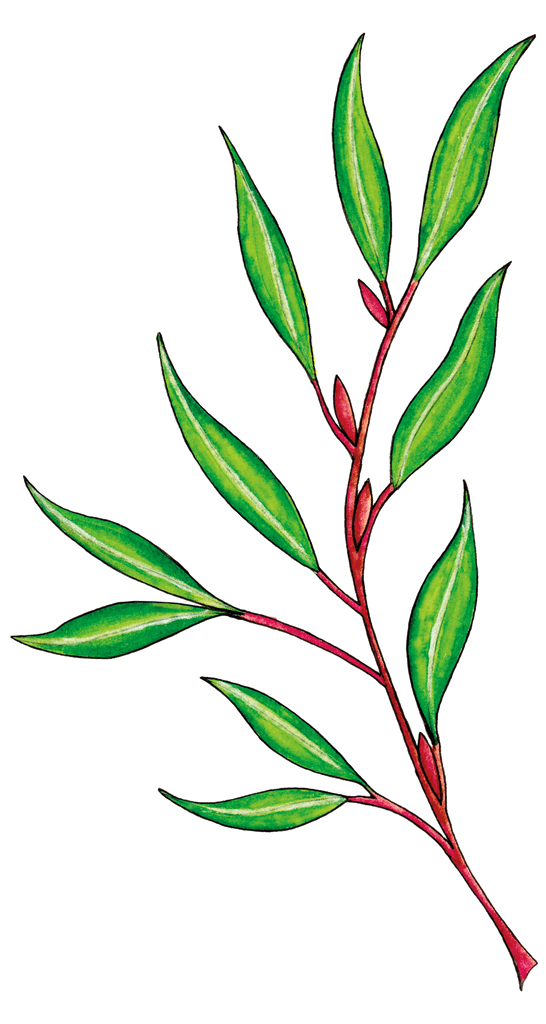
Cornus sericea
Çaŋṡaṡa (Dakota)
Miskwaabiimizh (Ojibwe)
Red Willow bark is used for making ceremonial tobacco, which is much different than commercial tobacco that contains harmful additives. Medicines are not just for one gender expression or another, they are for everyone. In women, Çaŋṡaṡa is helpful for pain and managing bleeding after giving birth and during menstrual cycles. For men, Çaŋṡaṡa is used as a diuretic. Because it is both flexible and strong, Red Willow also has physical functional uses: it can be shaped into frames for lodges, weaved into baskets, and featured in other art forms.
White Clover (or Dutch White Clover or Irish Clover)†

Trifolium repens
Ape tópa ska (Dakota)
Waabishkinisoobag (Ojibwe)
White Clover is abundant and commonly treated as a weed in yards and prairie areas. Bees are widely known to feed on Clover as they make honey, and White Clover can be good food directly for us, too. The entire plant is edible. As a tea, it can be used to treat eye conditions, flush kidneys, and drain the lymphatic system to eliminate infections. White Clover can benefit all the waterways in our bodies.
Mint (or Wild Bergamot or Bee Balm)
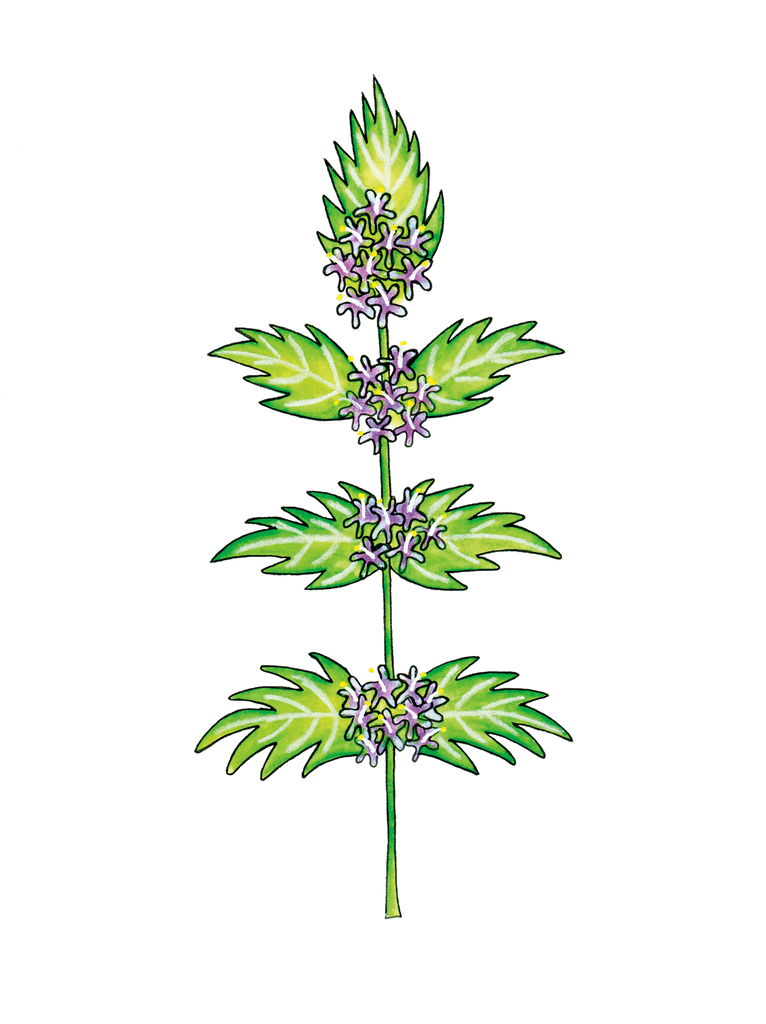
Monarda fistulosa
Waḣpe Waṡtemna (Dakota)
Andegobigons (Ojibwe)
Mint—which I was taught to also call Horse Mint—is used as a perfume as well as for cleansing in ceremonies. It is calming for an upset stomach, nausea, bloating, gas, and intestinal pressure. It can also help to settle your nerves. I watched an Elder treat collicky infants with mint, putting a little bit in their bottles during feeding. Most varieties of Mint can ease cramping, like those experienced by women during their menstrual cycles.
† Non-native species
Ida Downwind (Leech Lake Anishinaabe) grew up with Elders who taught her traditional plants and their uses for medicines. Recipient of Elder of the Year honors by the National Indian Education Association and the Lifetime Achievement Award from the Minnesota Indian Education Association, she was Carleton’s 2023 Elder-in-Residence and serves on its Indigenous Council of Elders.
Holly Young was born and raised on the Standing Rock Reservation and now lives in Bismarck, North Dakota. Her watercolor illustrations are inspired by her longtime practice as a Dakota beadwork artist, utilizing that form’s attention to symmetry, simplicity, and botanical imagery. A mother and artist, she practices Winyan Omniciye, the circle of sharing knowledge: “What you learn, you give back.”