
Life is not a series of discrete points. Each new age and each new experience informs the next. We asked Kao Kalia Yang ’03, an author, teacher, and public speaker, to reflect on her life at five-year intervals, from childhood to the present.
Yang ’03 has earned numerous awards and accolades for her two books, The Latehomecomer: A Hmong Family Memoir and The Song Poet: A Memoir of My Father. Yang is finishing a children’s book titled A Map into the World and her fictional debut, Descendants of Bad Luck Women. She lives in St. Paul with her husband and three children.
Five
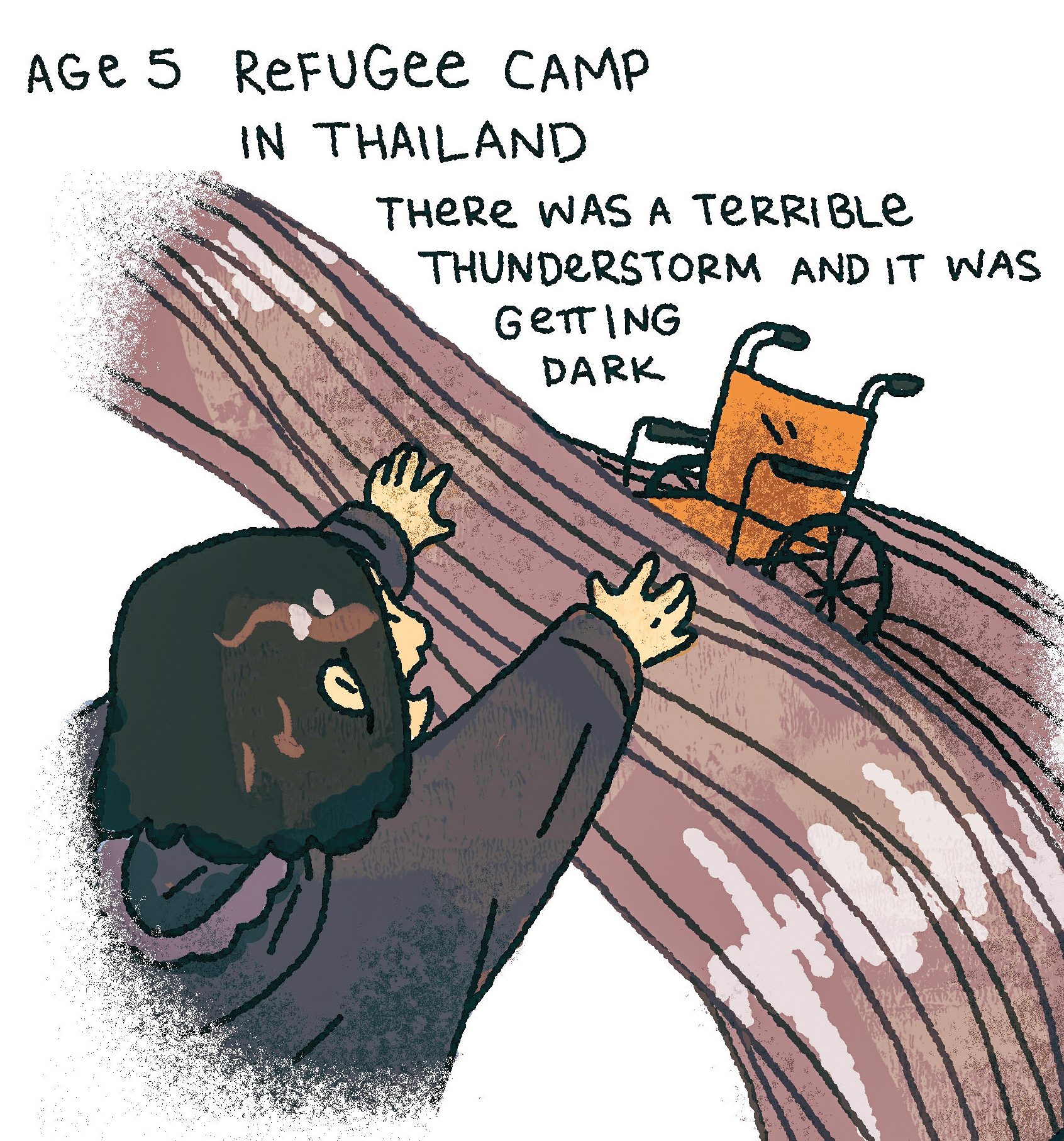
Five was a seminal age for me. It was my last year at a refugee camp in Thailand. At five, I also tried to do the first good deed of my life—and it ended horribly. There was a terrible thunderstorm and it was getting dark. I was with my three cousins—all of us were five years old—and we were trying to get back home. The open sewage canal that divided where we lived from the rest of camp was flooded. A boy in a wheelchair was trying to cross the canal so, along with my cousins, I grabbed his wheelchair to carry him across. We thought we could do it, but the canal was too big. I felt one of my cousins let go and the whole operation went down. The boy nearly drowned. His parents had been looking for him and they saw what happened. They thought we pushed him down. The next day, the parents came to our house. They were so angry; the mother was wishing horrible things upon us for the rest of our lives. I knew in my heart that I was trying to do something good, but I couldn’t process the emotions of the moment. It remains one of my most horrific memories. I left Thailand with the understanding that bad things can come from good intentions.
Ten
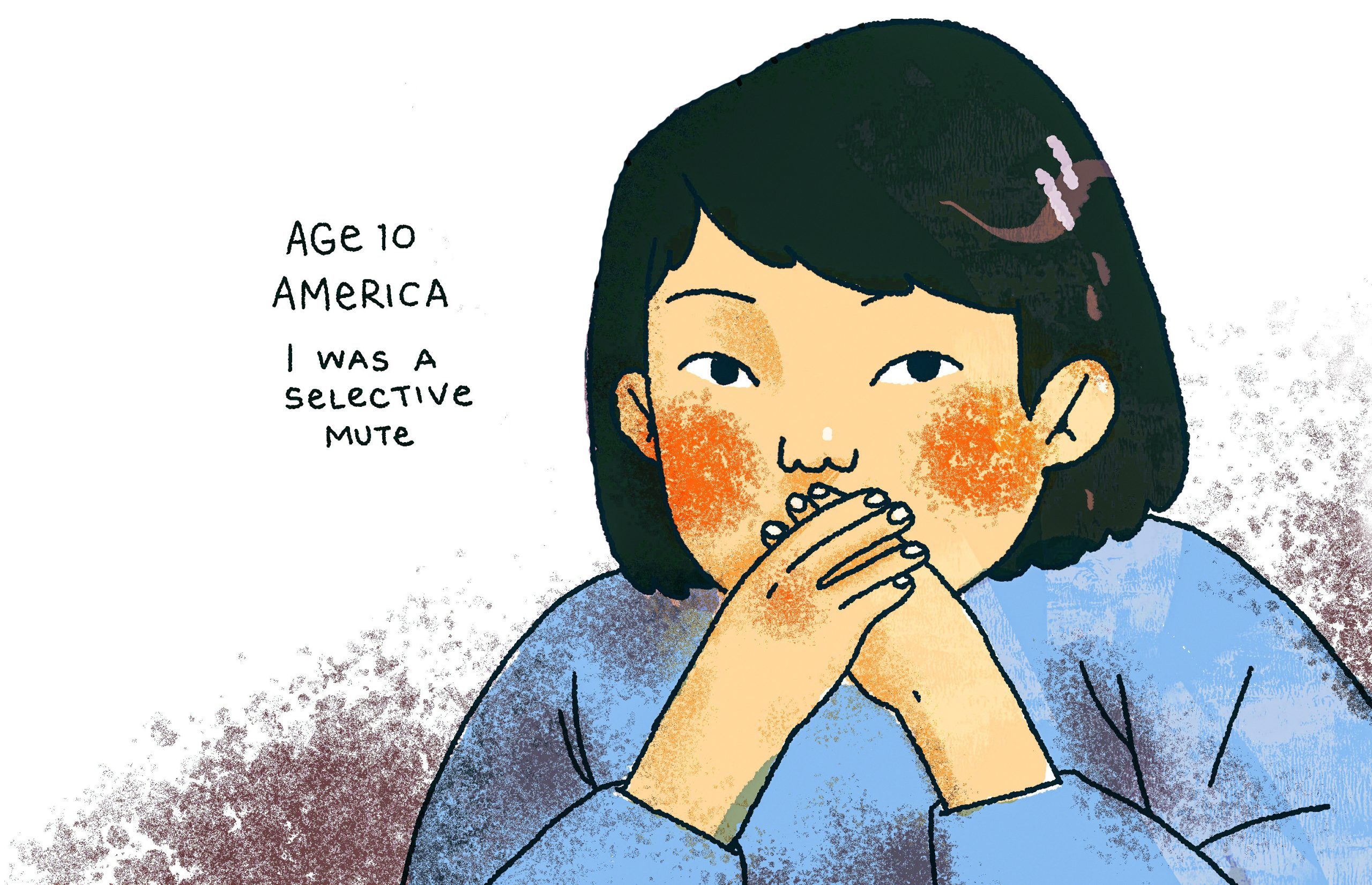
I had been in America for four years, and was living in St. Paul. I was a selective mute. It was my third or fourth year of not talking—of wishing I could be like American kids, but knowing that I couldn’t. I could no longer control the silence that claimed me. An incident at a Kmart prompted my initial silence [a store clerk walked away from Yang’s mother when she was unable to communicate in English that she needed a lightbulb], but it was really the continual stories. My dad would tell us about how his supervisor at work would say, “Bee, you’re here to talk to the machines, not to me.” These everyday instances destroyed me. I’d be silent all day at school and then come home and talk. At home, I felt like myself. I was around people who loved me and understood me, who wanted to understand me. My dad used to say, “You talk so much to me.” I answered, “I have a lot to say to you.” He’d respond, “Well, don’t you have a lot to say to the world?” I’d shake my head, “No. I don’t.” Of course, eventually I did. But when I was 10, my father was so much of my world, the part that listened to me, cared for me, loved me.
Fifteen
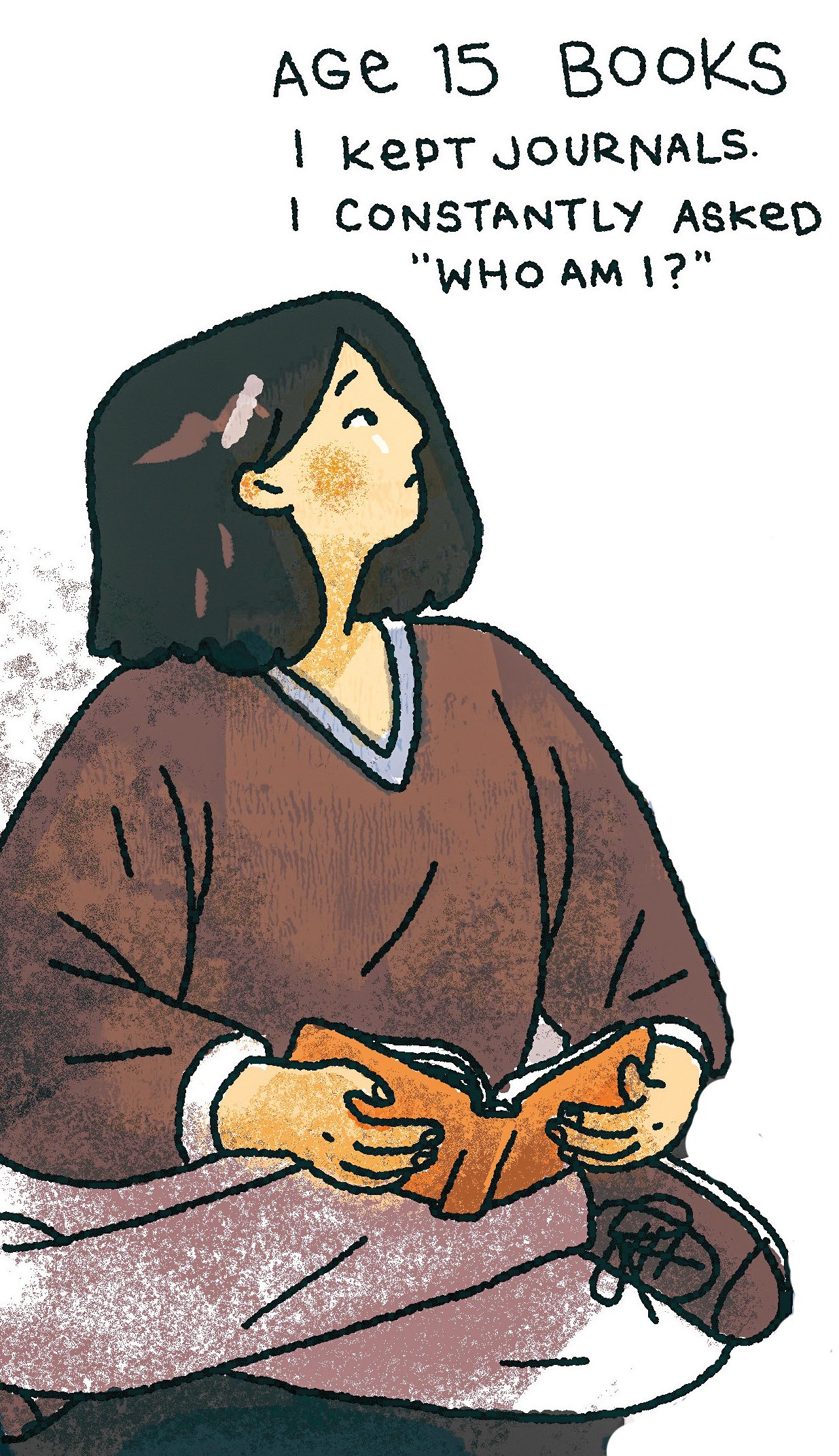
At 15, I fell in love with books. Loneliness introduced me to literature. I got to experience worlds beyond. I kept journals. I constantly asked, “Who am I? What am I?” I had nothing in common with most of my peers. They talked about going to movies, but I had to go home and take care of my younger siblings. They’d go to the mall or talk about the newest haircut. To me, it felt frivolous. Maybe it was the condescension of youth? You feel like you’re living one kind of life while others are caught up in something else. You don’t have the power to see beyond yourself. But even then, books were beginning to show me that there was something more than just the loneliness of my life. They were preparing me for an understanding that all of us—even the kids who went to the movies and exhausted themselves over what haircut to get—were yearning to be understood.
Twenty
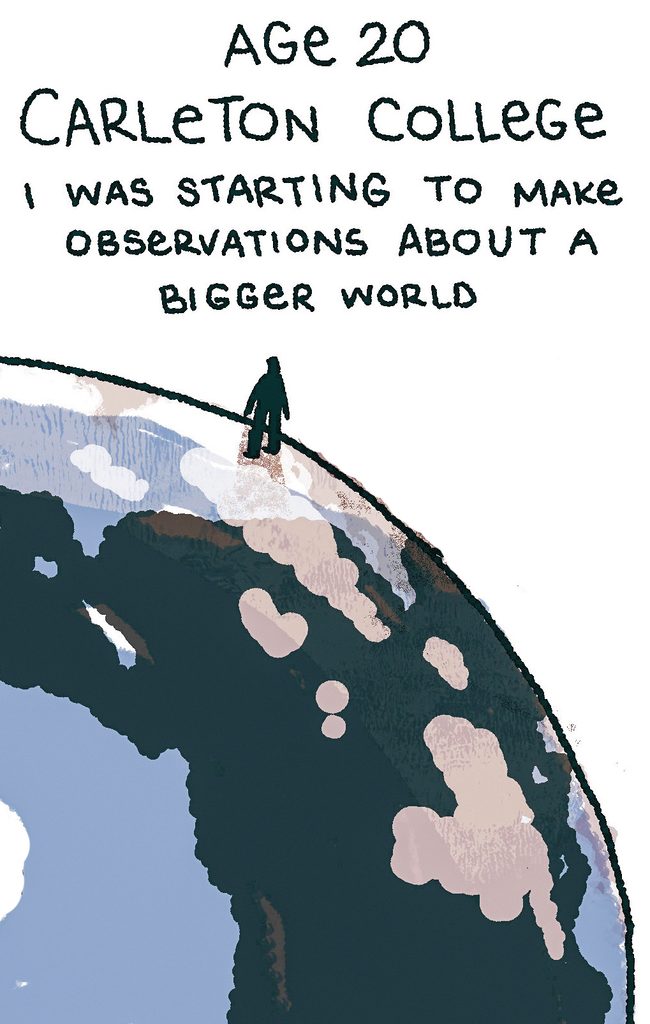
I became aware of class at Carleton. It was the first time I ate a multicourse meal. It was the first time I saw kids spend money casually. All my life, I hadn’t owned anything. I shared with everyone. At Carleton, I saw the idea of “this is mine, that is yours” play out in individual and communal ways. “I bought this pizza. I’m going to eat it.” At 20, I had survived the first year of culture shock, so I was starting to make observations about a bigger world. I was the first person in my family to attend a residential college. Everyone else had commuted. I was also at a top-tier college. If I had to return home or did not graduate—for anything to go wrong—it would have been a huge failure for me and for my family. I’ve always understood that pressure. I knew my biggest battles weren’t at Carleton.
Twenty-Five
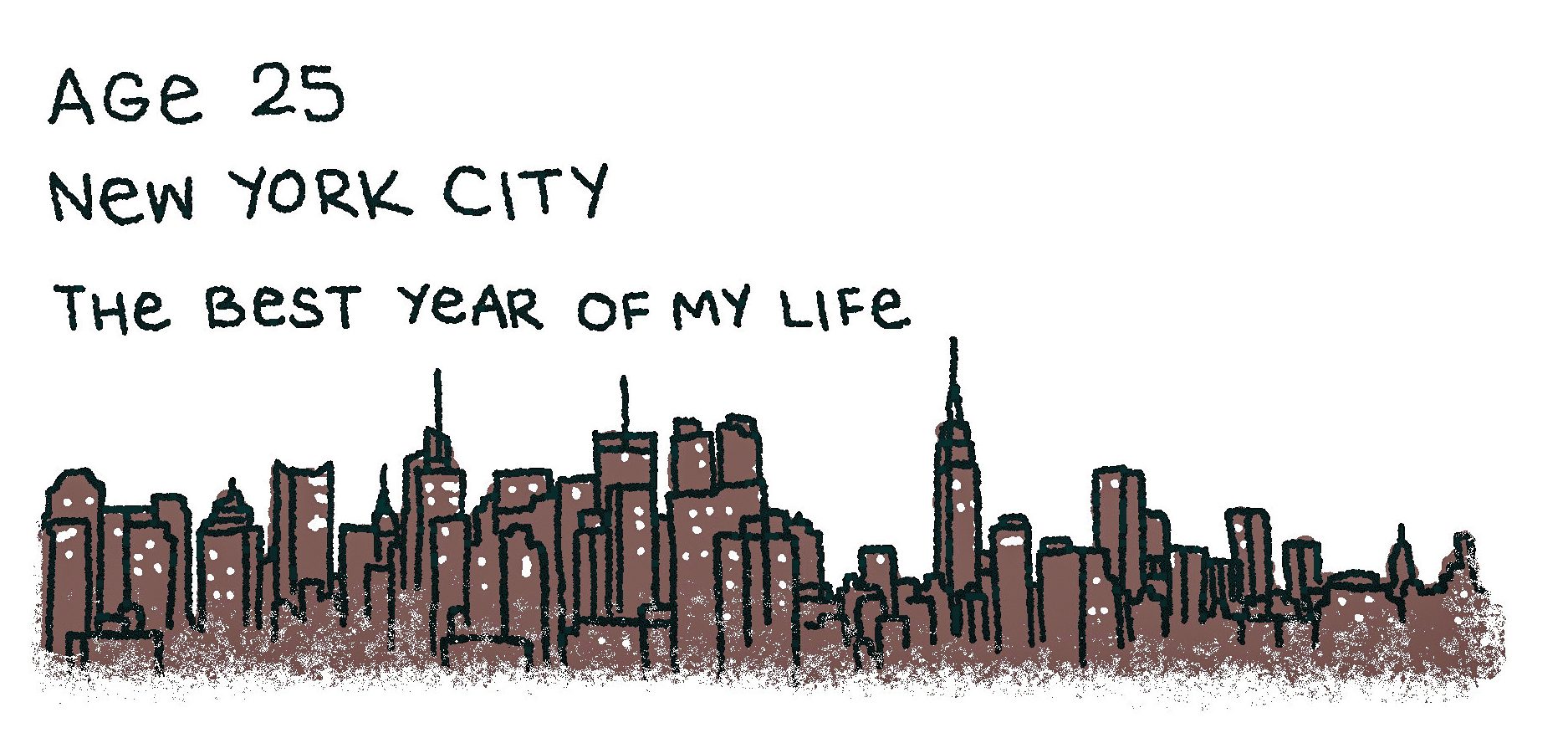
It was a wonderful year. I was 90 percent done with my first book. I was living in New York City, and my mom and dad came to my graduation from Columbia’s MFA program. I remember my dad walking around New York, mortified that they had sent me “into cement to try to grow life.” I remember my mom, who loved the city, its sounds, its voices, saying again and again, “If I was young, this is where I’d be.” I realized at 25 that every step I had taken away from home had brought my mother and father further into the world to be with me. I was not becoming braver by myself. I was forcing them to grow alongside me, to feel powers they thought they didn’t have and believed they would never know. My mom and dad saw in my graduation from Columbia the possibility that had things been different, had they been afforded the opportunity, they could have done the same. I understood that whatever my accomplishments were, they extended far beyond me.
Today
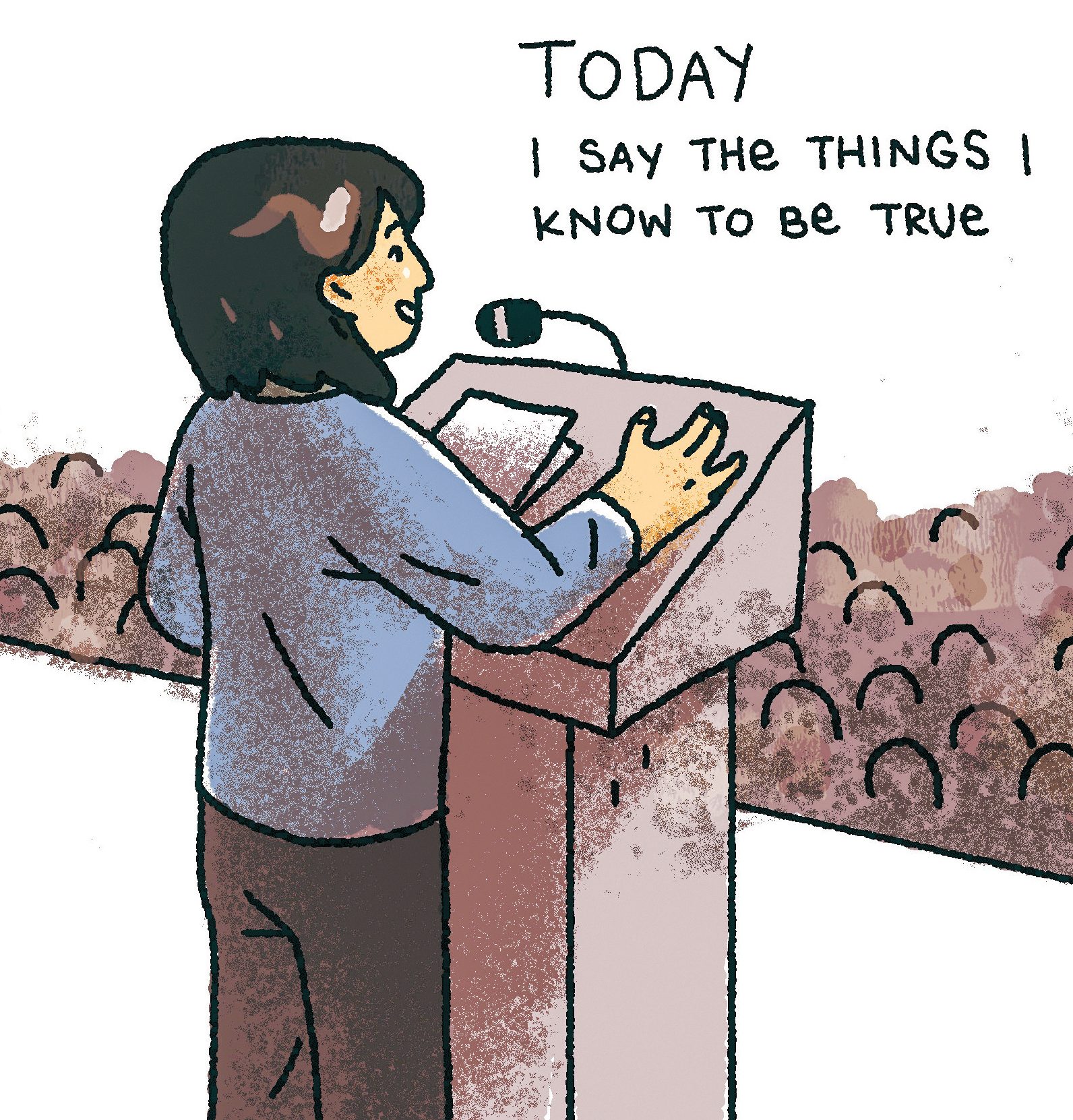
The girl who was a selective mute is a sought-after public speaker. I’m still not comfortable standing in front of people, talking about my life, but it’s a challenge I’ve taken on. Most of what I read about the Hmong positioned us as subjects to be studied. I didn’t want to do that with my work. I wanted to own the story in a way that we had been unable to do. That’s the authority I take with me on the page. I try to do the same with my talks. The best way to teach about my people is to model who we are—to speak and say the things that I know to be true, to say the things I’ve lived my life yearning to hear.