Four Carleton alumni selected for Japan Exchange and Teaching Program
Alejo Enriquez-Lynd ’26, Zaria Kelly ’25, Alek Pochan ’26, and Lucas Schattenmann ’26 were all selected.

Four Carleton alumni are traveling to Japan this fall to take part in the Japan Exchange and Teaching (JET) program: Alejo Enriquez-Lynd ’26, Zaria Kelly ’25, Alek Pochan ’26, and Lucas Schattenmann ’26.
Established in 1987, JET remains the only teaching exchange program managed by the Japanese government, drawing instructors from over 80 countries worldwide. The program has two pathway options: Assistant Language Teacher (ALT) or Coordinator for International Relations (CIR).
The majority of JET participants — including Enriquez-Lynd, Kelly, and Pochan — have no Japanese fluency requirement and serve as ALTs, teaching English in local schools. CIRs, in contrast, require a high degree of Japanese fluency and are contracted by local government offices to perform a wide range of duties under the umbrella of international relations. Schattenmann, Carleton’s only CIR for this year, will work with translation and interpretation, outreach to foreign residents, education, and exchange activities.
All four of this year’s JET Carls are excited to improve their Japanese language skills and immerse themselves in their respective living locations.

“I’m really excited to be in [Osaka], a big city with lots of things to do and great access to the rest of Japan,” Enriquez-Lynd said. “Osaka is also basically next door to Kyoto, so I’m excited to be able to visit the friends I made over my study abroad there pretty easily… Also, as much as I love Japan and I’m excited to actually live there, I’m really passionate about sharing my own American-Mexican culture with the world, and JET is a really great way to do that.”
“I am looking forward to showing my students different parts of American culture that they had no idea about, and hopefully inspire them to travel here one day!” Kelly added. “My personal goal for this program is also to immerse myself as much as possible into the culture and make an impact on the community I will be living in. It is very important to me that I not only be an observer or consumer of my community, but also a contributor.”
“I want to be a memorable role model for kids and help them feel a sense of achievement,” Pochan said. “I also want to feel truly comfortable living in rural Japan! [I’m excited to] bike around my town, go to bars and talk to older community members, and go to bath houses.”

“I think working alongside Japanese colleagues and living my daily life in the language for a sustained period of time will really accelerate my learning and keep me motivated,” Schattenmann said. “I’m excited about many of the responsibilities I’ll be taking on as a CIR, [like] cultural exchange and translating… I’m already thinking of ideas for events or projects I might be able to help with during my time there. I’m motivated to make my mark and bring positive change to the town I’ll be working in.”
Enriquez-Lynd, Kelly, Pochan, and Schattenmann all have a unique perspective and experiences from Carleton that inspired them to apply for this opportunity.
Enriquez-Lynd, a double major in Japanese language & literature and mathematics, is interested in exploring the intersection of language learning, community building, and pedagogy. He realized his interest in teaching in part through Professor Deanna Haunsperger’s Methods of Teaching Mathematics course at Carleton.
“Obviously Deanna is a great professor who’s incredibly passionate about teaching, and she got me excited about actually doing it, but the course itself was surprisingly relevant to teaching English abroad,” Enriquez-Lynd said. “Similar to English in Japan, math is a subject a lot of students struggle with, and can often be taught in a way that overemphasizes rote memorization without much opportunity for real creativity. Her class inspired me to try to be the teacher I wished I had!”
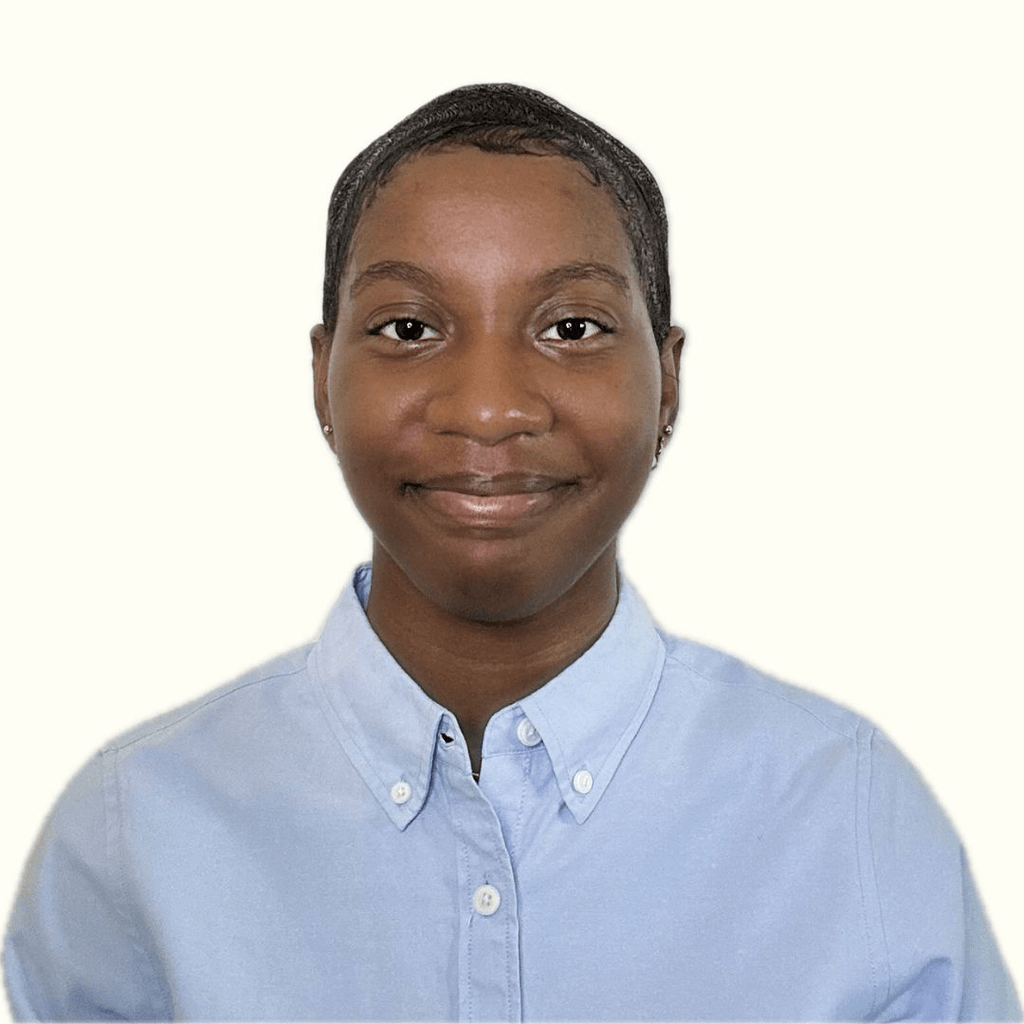
Kelly, who majored in classical studies, learned how to be open to new experiences and not let fear of failure hold her back at Carleton — she will bring that energy abroad with her.
“Some of my best memories at Carleton were ones where I did something outside of my comfort zone and enjoyed it,” she said. “Carleton also taught me that I am capable of doing difficult things and equipped me with the critical thinking skills, adaptability, and resourcefulness to get through them. Studying abroad in Japan in my sophomore year was my first time overseas, and was the experience that made a major impact on my worldview and shaped the person I am today. I got to see, do, and learn about things that I had never even known had existed. It was truly life changing.”

As a religion major with leadership experience ranging from Ultimate Frisbee team captain to leading a local church youth group, Pochan was focused on why the teaching aspect of JET was right for him and a good fit with his experiences, rather than just his excitement to live in a foreign country — even though both were important in his deliberation around applying.
“It will be great to get some classroom experience,” he added, “because I think I may want to keep teaching high school or middle school in the future.”
Another double major, this time in computer science alongside Japanese language & literature, Schattenmann came to Carleton with “close to zero” Japanese language ability, citing Carleton’s “incredible Japanese education” for his current language skills and the ability to continue learning and adapting, which he knows will be crucial during his time living abroad.
“I think this is a great opportunity for career advancement and Japanese language acquisition, which I think will feel very fulfilling and serve me well into the future,” Schattenmann said. “I’m not quite sure what I’ll do after JET yet, but I figure this is something which will take shape as I continue with the program.”
JET participants can remain in Japan for up to five years, allowing for deep cultural immersion and extension into multiple career paths.
“I just want to do the best job I possibly can!” Enriquez-Lynd said. “If I can inspire one student to pursue learning English more seriously or travel the world, I’d be immensely proud.”
For any current or future Carls interested in applying for the JET program, each of this year’s participating alumni recommended talking to the Carleton Japanese department — they thanked every professor personally! — and getting in touch with the Office of Student Fellowships, which they all mentioned as extraordinarily helpful in the application process.
But the most important piece of advice they had? Just go for it!
“Ultimately,” Schattenmann said, “as long as you keep up consistent enthusiasm for sharing your culture with others and learning Japanese, you will be just fine.”