The Geology Department was founded in 1932 by Dr. George Gibson and Dr. Laurence M. Gould. Dr. Gould was noted at the time as the chief scientist of the first Byrd Expedition to Antarctica and was the first scientist to explore the Antarctic interior.
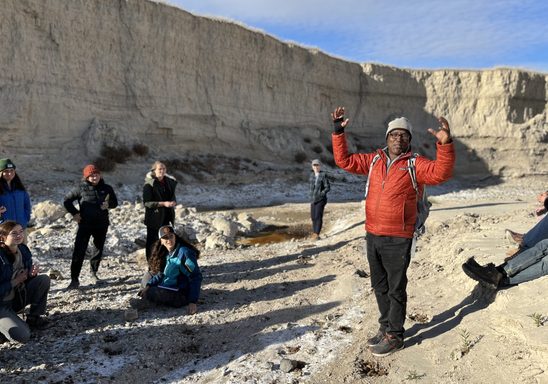
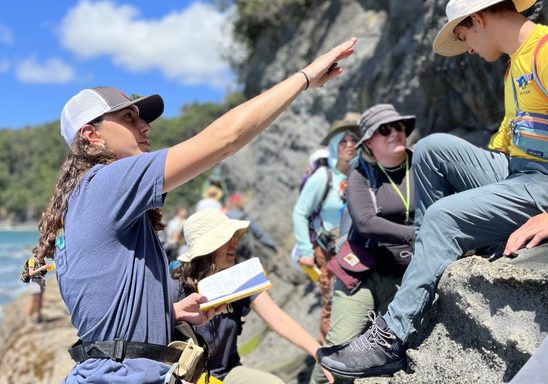
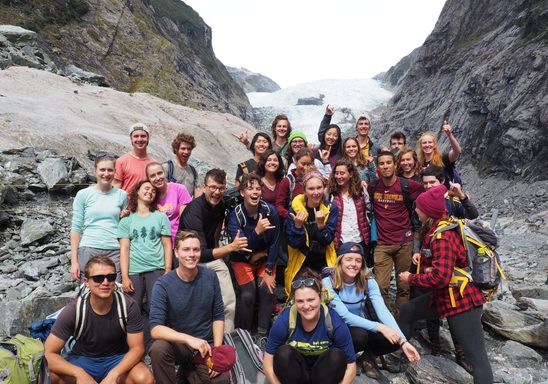
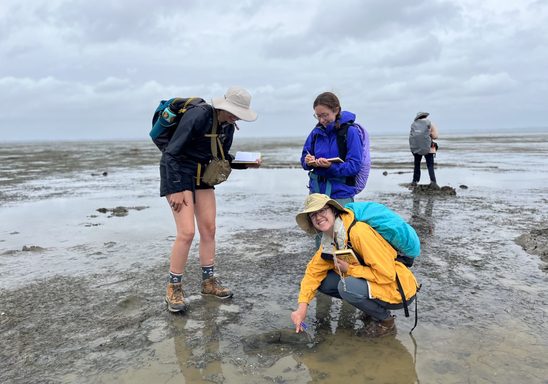
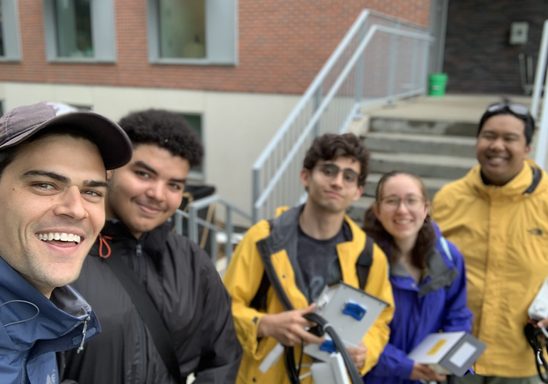
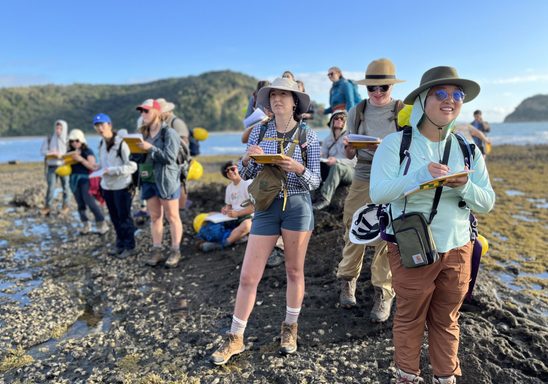
The geology department retains the spirit of exploration and adventure. The department makes a particular effort to be welcoming and affirming to people of all colors, ethnicities, affectional orientations and gender identities.
The interests and goals of geology students are diverse; more than three-fourths go to graduate school as preparation for careers in academia, environmental sciences, science journalism, industry and the public sector at the local through federal levels. A degree in Geology has also proved to be a good foundation for graduate study and work in conservation, architecture, engineering, resource economics, environmental education and resource management. Typical of Carleton, our graduates can also be found in almost any profession.
About our students and graduates:
- In the past five years, we have graduated about 20 geology majors per year.
- 1100 people have earned geology degrees at Carleton since 1934.
- In the past 25 years, half of our geology majors were women.
- More than half of the geology graduates have made a career in the earth sciences. In recent years the percentage has increased; most have gone into geotechnical consulting, industry, higher education, and state and federal agencies.
- At least 173 (26%) of our graduates in the classes of 1934-94 earned PhDs.
- Between 1986 and 1995, more people earning PhD degrees in the earth sciences graduated from Carleton (50) than any other four-year college.
- As of 2000, the universities granting the most PhDs to our graduates include University of Washington, UC-Santa Cruz, Penn State, Stanford, CalTech, University of Colorado-Boulder Yale, Minnesota, Wisconsin-Madison, UC-Berkeley, and Princeton.


News
All NewsInformation for First-Years
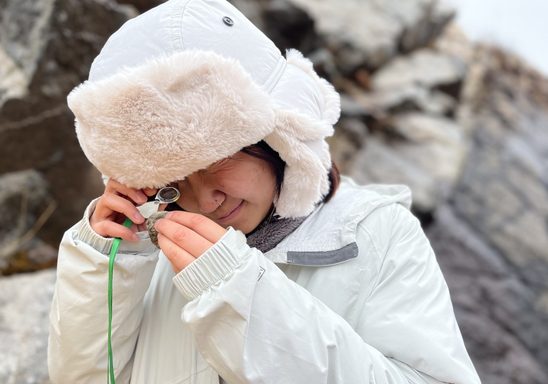
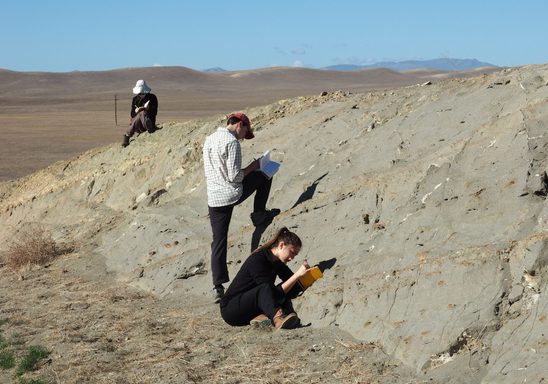
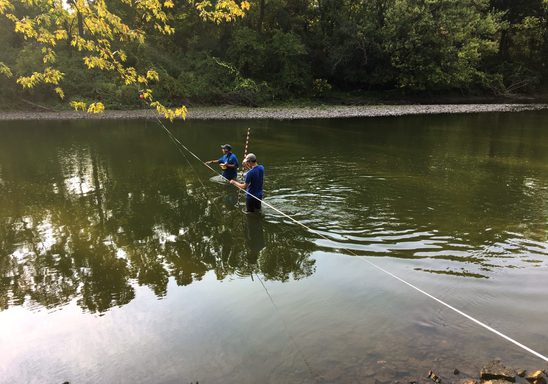
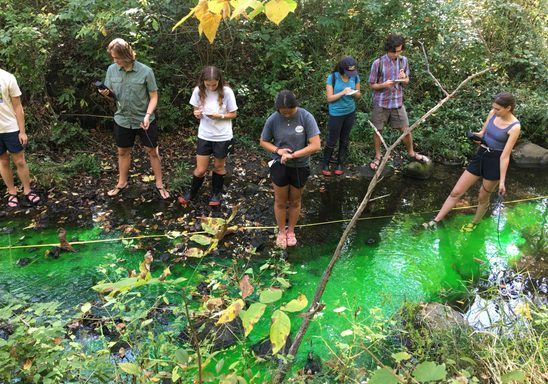
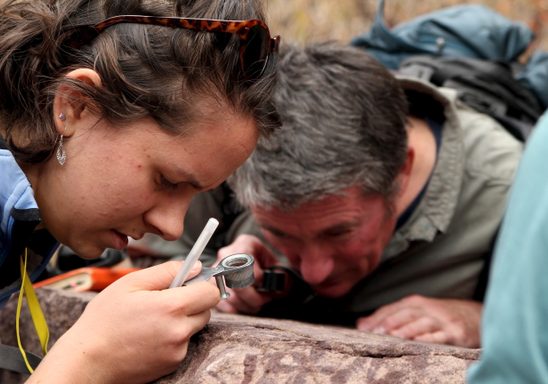
Students who discover in themselves a sense of excitement about the environment, mountains, climate change, volcanoes, fossils, rivers and earthquakes will find a good home in the Carleton Geology Department. The geology department retains a spirit of exploration and adventure; fieldwork in the out of doors is central to our curriculum. The geology curriculum is flexible, rigorous, and rooted in the traditions of a liberal arts education.
Can I major in geology?
Yes, a geology major is offered.
Topics explored
A wide variety of topics are covered in the geosciences including earthquakes, glaciers, volcanoes, fossils, minerals, climate change, water, and plate tectonics. See a complete list of Geology Courses offered.
How to get started
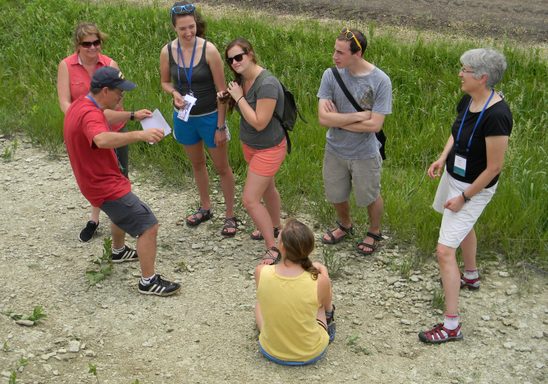
First-year students should take any one of the 100-level Geology courses (100, 110, 115, 120, 125, or 130). The department also offers fall and spring departmental field trips over mid-term break, which are typically open to anyone enrolled in a geology course or anyone who has already taken a geology course. For those already considering becoming a Geology Major, taking courses in mathematics, physics and chemistry is a good idea.
Explore this website for additional information, or talk with one of our departmental SDAs (Student Departmental Advisers).