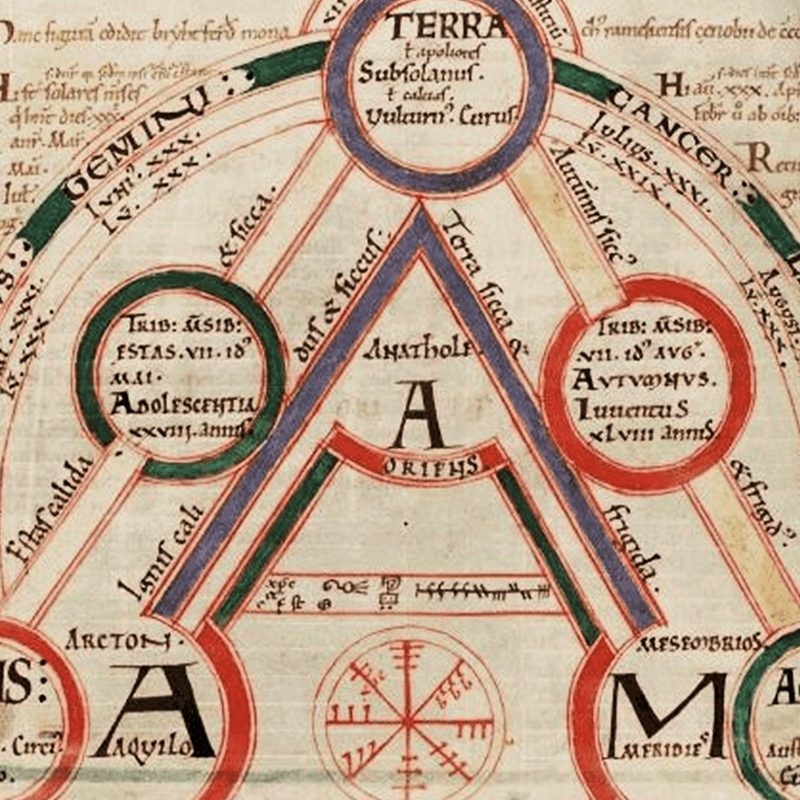
Medieval and Renaissance Studies encourages students interested in the global cultures and polities that flourished from (ca. 250-CE-ca. 1700) to deepen their understanding of these worlds through an interdisciplinary program of study. Students explore timeless questions of power, identity, meaning, belief, and value through a wide range of fascinating and challenging written, archaeological, material, and visual evidence.
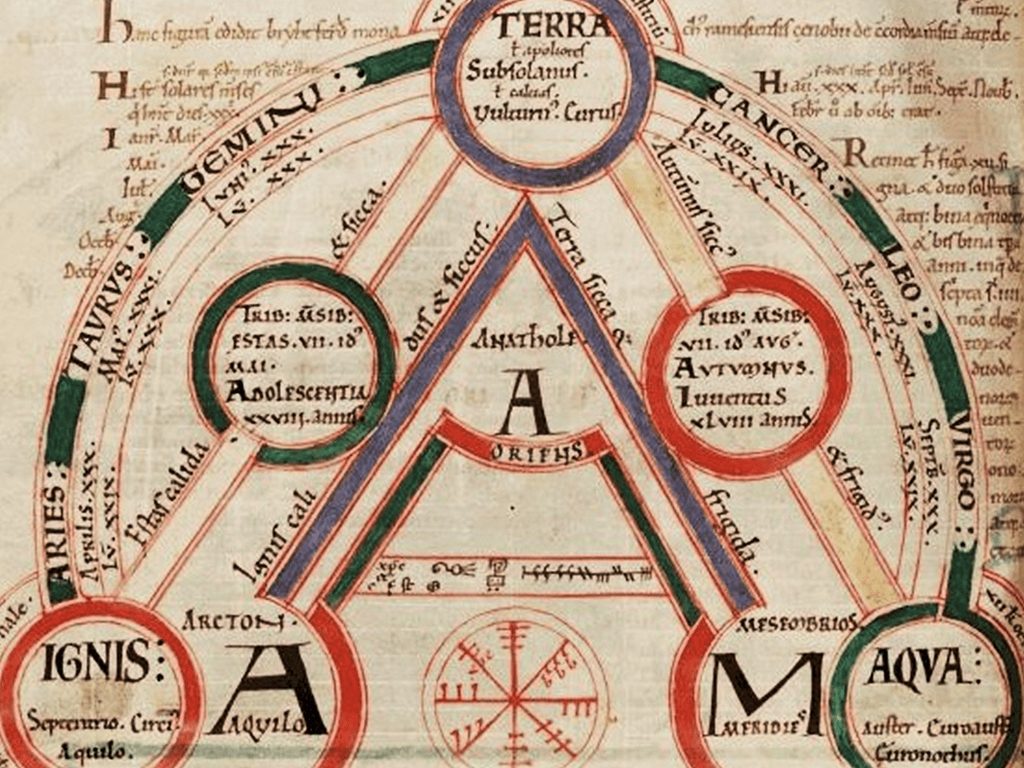
About Medieval and Renaissance Studies
The Medieval and Renaissance Studies Minor encourages students interested in the cultures and polities that flourished from (ca. 250-CE-1700) to deepen their understanding of these worlds through an interdisciplinary program of study. Heirs to ancient empires and creators of complex cultures, the societies in northern Europe, the Mediterranean Basin, East and South Asia, Africa, the North Atlantic, and Latin America each offer fascinating opportunities to watch communities and cultures coping with timeless problems of power, identity, meaning, belief, and value. Students explore these topics through written, archaeological, material, and visual evidence in pursuit of a rich, multi-dimensional understanding of other peoples and other worlds.
The minor is open to students in ANY major who wish to expand their knowledge of this important and fascinating period of human history and all of the cultures and connections that contributed.
A total of 42 credits (usually 7 courses) is required for the minor: 18 credits in “Core” courses, 18 credits in “Supporting” courses; and a capstone seminar. Please note: In addition to the capstone seminars listed below, students may count — with prior approval of both the course instructor and the minor coordinators — another advanced course (at the 200 or 300 level) as a capstone course provided that the minor pursues a substantial interdisciplinary research project on a topic within the period covered by the minor.
Optional Off-Campus Programs
Off-campus study can be an important part of the minor. Students interested in study abroad as part of the concentration are advised to consult with their academic advisers in deciding when to go off-campus and with the minor coordinators to discuss the range of programs available and potential programs of study. Courses taken abroad may count for up to two “core” courses (12 credits) and two “supporting courses” (12 credits).
Requirements for the Medieval and Renaissance Studies Minor
Minor Requirements – 42 Total Credits
Core Courses – Required 18 credits
- ARBC 185: The Creation of Classical Arabic Literature (not offered 2026-27)
- ARCN 222: Experimental Archaeology and Experiential History and Lab
- ARCN 246: Archaeological Methods and Lab
- ARTH 100.01: Witches, Monsters and Demons (26/FA)
- ARTH 101: Introduction to Art History I
- ARTH 102: Introduction to Art History II
- ARTH 225: The Naked and the Nude: A History
- ARTH 235: Revival, Revelation, and Re-animation: The Art of Europe’s “Renaissance” (not offered 2026-27)
- ARTH 263: Architectural Studies in Europe Program: Prehistory to Postmodernism (not offered 2026-27)
- ARTH 321: Arts of the Chinese Scholar’s Studio (not offered 2026-27)
- ARTH 324: The Sexuality of Jesus Christ (not offered 2026-27)
- CHIN 251: Heroes, Heroines, Exceptional Lives in Chinese Biographical Histories (not offered 2026-27)
- CHIN 258: Classical Chinese Thought: Wisdom and Advice from Ancient Masters (not offered 2026-27)
- CLAS 124: Roman Archaeology and Art
- ENGL 144: Shakespeare I (not offered 2026-27)
- ENGL 201: Chaucer: The Canterbury Tales
- ENGL 203: Other Worlds of Medieval English Literature (not offered 2026-27)
- ENGL 210: Masterpieces of English Renaissance Literature
- ENGL 244: Shakespeare I (not offered 2026-27)
- ENGL 301: Chaucer: The Canterbury Tales
- HIST 100.05: Confucius and His Critics (26/FA)
- HIST 131: Saints and Society in Late Antiquity
- HIST 136: The Global Middle Ages (not offered 2026-27)
- HIST 137: Early Medieval Worlds in Transformation (not offered 2026-27)
- HIST 139: Foundations of Modern Europe (not offered 2026-27)
- HIST 150: Politics of Art in Early Imperial China (not offered 2026-27)
- HIST 159: Age of Samurai (not offered 2026-27)
- HIST 201: History, Religion, and Urban Change in Medieval and Renaissance Rome Program: Building Power and Piety in Medieval Italy, C.E. 300-1150
- HIST 206: History, Religion, and Urban Change in Medieval and Renaissance Rome Program: The Eternal City in Time: Structure, Change, and Identity
- HIST 231: Mapping the World Before Mercator
- HIST 233: The Byzantine World and Its Neighbors 750-ca. 1453 (not offered 2026-27)
- HIST 234: Constantinople, 1453: History, Experience, Narrative (not offered 2026-27)
- HIST 235: Making and Breaking Institutions: Structure, Culture, Corruption, and Reform in the Middle Ages (not offered 2026-27)
- HIST 236: The Worlds of Hildegard of Bingen (not offered 2026-27)
- HIST 237: Religion and Identity in the Medieval Middle East
- HIST 238: The Viking World
- HIST 243: The Peasants are Revolting! Society and Politics in the Making of Modern France
- HIST 245: Ireland: Land, Conflict and Memory
- HIST 278: The Aztecs and Their World (not offered 2026-27)
- HIST 334: Voyages of Understanding
- LATN 243: Medieval Latin (not offered 2026-27)
- LTAM 230: Ancient People of the Andes (not offered 2026-27)
- LTAM 330: Ancient Peoples of the Andes (not offered 2026-27)
- MEST 185: The Creation of Classical Arabic Literature (not offered 2026-27)
- MUSC 111: Music History before 1800
- MUSC 165: Listening to Weird, Old Music
- RELG 122: Introduction to Islam (not offered 2026-27)
- RELG 162: Jesus, the Bible, and Christian Beginnings (not offered 2026-27)
- RELG 163: What is the Qur’an?
- RELG 231: From Luther to Kierkegaard (not offered 2026-27)
- RELG 234: Angels, Demons, and Evil (not offered 2026-27)
- RELG 235: Religion and Identity in the Medieval Middle East
- RELG 278: Love of God in Islam (not offered 2026-27)
- RELG 282: Samurai: Ethics of Death and Loyalty
- SPAN 301: Greek and Christian Tragedy (not offered 2026-27)
- SPAN 330: The Invention of the Modern Novel: Cervantes’ Don Quijote (not offered 2026-27)
Supporting Courses – Required 18 credits
Note: all courses listed as “core courses” also qualify as “supporting courses.”
- ARBC 185: The Creation of Classical Arabic Literature (not offered 2026-27)
- ARBC 387: The One Thousand and One Nights (not offered 2026-27)
- ARCN 112: Archaeology of Native North America
- ARCN 166: Archaeology in the Land of the Midnight Sun
- ARCN 213: Objects in Motion The Archaeology of Ancient Trade
- ARCN 222: Experimental Archaeology and Experiential History and Lab
- ARCN 246: Archaeological Methods and Lab
- ARCN 262: Computational Studies of Social and Environmental Systems
- ARCN 395: Archaeology: Science, Ethics, Nationalism and Cultural Property
- ARTH 100.01: Witches, Monsters and Demons (26/FA)
- ARTH 101: Introduction to Art History I
- ARTH 102: Introduction to Art History II
- ARTH 165: Japanese Art and Culture
- ARTH 166: Chinese Art and Culture (not offered 2026-27)
- ARTH 209: Chinese Painting
- ARTH 225: The Naked and the Nude: A History
- ARTH 235: Revival, Revelation, and Re-animation: The Art of Europe’s “Renaissance” (not offered 2026-27)
- ARTH 236: Baroque Art (not offered 2026-27)
- ARTH 263: Architectural Studies in Europe Program: Prehistory to Postmodernism (not offered 2026-27)
- ARTH 324: The Sexuality of Jesus Christ (not offered 2026-27)
- ASST 285: Mapping Japan, the Real and the Imagined (not offered 2026-27)
- CHIN 251: Heroes, Heroines, Exceptional Lives in Chinese Biographical Histories (not offered 2026-27)
- CHIN 258: Classical Chinese Thought: Wisdom and Advice from Ancient Masters (not offered 2026-27)
- CLAS 124: Roman Archaeology and Art
- CLAS 200: Greece at a Crossroads: History, Landscape, and Material Culture Program: History, Landscape, and Material Culture (not offered 2026-27)
- DGAH 264: Visualizing the Ancient City (not offered 2026-27)
- DGAH 285: Textual Technologies from Parchment to Pixel
- ENGL 144: Shakespeare I (not offered 2026-27)
- ENGL 201: Chaucer: The Canterbury Tales
- ENGL 203: Other Worlds of Medieval English Literature (not offered 2026-27)
- ENGL 205: “Passing Strange”: Shakespeare’s Othello and its Modern Afterlives (not offered 2026-27)
- ENGL 206: William Shakespeare: The Henriad (not offered 2026-27)
- ENGL 209.01: Measure for Measure: A Project Course (27/SP)
- ENGL 210: Masterpieces of English Renaissance Literature
- ENGL 214: Revenge Tragedy (not offered 2026-27)
- ENGL 219: Global Shakespeare (not offered 2026-27)
- ENGL 244: Shakespeare I (not offered 2026-27)
- ENGL 285: Textual Technologies from Parchment to Pixel
- ENGL 301: Chaucer: The Canterbury Tales
- FREN 231: Paris: The Eras Tour (not offered 2026-27)
- FREN 311: France and the Atlantic World
- HIST 114: Indigenous Histories, Time Immemorial to 1887 (not offered 2026-27)
- HIST 131: Saints and Society in Late Antiquity
- HIST 136: The Global Middle Ages (not offered 2026-27)
- HIST 137: Early Medieval Worlds in Transformation (not offered 2026-27)
- HIST 139: Foundations of Modern Europe (not offered 2026-27)
- HIST 159: Age of Samurai (not offered 2026-27)
- HIST 169: Colonial Latin America (not offered 2026-27)
- HIST 201: History, Religion, and Urban Change in Medieval and Renaissance Rome Program: Building Power and Piety in Medieval Italy, C.E. 300-1150
- HIST 201F: History, Religion, and Urban Change in Medieval and Renaissance Rome Program: Building Power and Piety in Medieval Italy-Latin
- HIST 206: History, Religion, and Urban Change in Medieval and Renaissance Rome Program: The Eternal City in Time: Structure, Change, and Identity
- HIST 231: Mapping the World Before Mercator
- HIST 233: The Byzantine World and Its Neighbors 750-ca. 1453 (not offered 2026-27)
- HIST 234: Constantinople, 1453: History, Experience, Narrative (not offered 2026-27)
- HIST 235: Making and Breaking Institutions: Structure, Culture, Corruption, and Reform in the Middle Ages (not offered 2026-27)
- HIST 236: The Worlds of Hildegard of Bingen (not offered 2026-27)
- HIST 237: Religion and Identity in the Medieval Middle East
- HIST 238: The Viking World
- HIST 243: The Peasants are Revolting! Society and Politics in the Making of Modern France
- HIST 245: Ireland: Land, Conflict and Memory
- HIST 251: Japan and Europe: Worlds Apart? (not offered 2026-27)
- HIST 274: The Andes Under Inca & Spanish Rule
- HIST 278: The Aztecs and Their World (not offered 2026-27)
- HIST 334: Voyages of Understanding
- HIST 335: Finding Ireland’s Past (not offered 2026-27)
- LATN 237: Amor, Furor, Ira: The Epics of Vergil and Ovid (not offered 2026-27)
- LTAM 113: Archaeology of Ancient Latin America (not offered 2026-27)
- LTAM 230: Ancient People of the Andes (not offered 2026-27)
- LTAM 330: Ancient Peoples of the Andes (not offered 2026-27)
- MEST 185: The Creation of Classical Arabic Literature (not offered 2026-27)
- MUSC 111: Music History before 1800
- MUSC 165: Listening to Weird, Old Music
- PHIL 270: Ancient Greek Philosophy
- PHIL 272: Early Modern Philosophy (not offered 2026-27)
- POSC 254: Freedom, Excellence, Happiness: Aristotle’s Ethics
- POSC 354: Freedom, Excellence, Happiness: Aristotle’s Ethics
- RELG 120: Judaism: Text, History, Practice (not offered 2026-27)
- RELG 121: Introduction to Christianity (not offered 2026-27)
- RELG 122: Introduction to Islam (not offered 2026-27)
- RELG 152: Religions in Japanese Culture
- RELG 153: Introduction to Buddhism (not offered 2026-27)
- RELG 155: Hinduism: An Introduction
- RELG 163: What is the Qur’an?
- RELG 231: From Luther to Kierkegaard (not offered 2026-27)
- RELG 233: Gender and Power in the Catholic Church
- RELG 235: Religion and Identity in the Medieval Middle East
- RELG 237: Yoga: Religion, History, Practice (not offered 2026-27)
- RELG 245: Religion and Masculinity
- RELG 252: Bible Past and Present
- RELG 265: Religion & Violence (not offered 2026-27)
- RELG 278: Love of God in Islam (not offered 2026-27)
- RELG 287: Many Marys (not offered 2026-27)
- RELG 322: Apocalypse How? (not offered 2026-27)
- SPAN 301: Greek and Christian Tragedy (not offered 2026-27)
- SPAN 330: The Invention of the Modern Novel: Cervantes’ Don Quijote (not offered 2026-27)
- THEA 195: Acting Shakespeare (not offered 2026-27)
- THEA 209.01: Measure for Measure: A Project Course (27/SP)
- THEA 309.01: Measure for Measure: A Project Course (27/SP)
Capstone Seminar – Required 6 credits
Please consult with the Program Coordinator regarding the Capstone Seminar/Project Requirement
- HIST 334: Voyages of Understanding
- HIST 335: Finding Ireland’s Past (not offered 2026-27)
- HIST 336: Controversial Histories: Ideological Conflict and Consensus in Historical Perspective (not offered 2026-27)
- LTAM 230: Ancient People of the Andes (not offered 2026-27)
- LTAM 330: Ancient Peoples of the Andes (not offered 2026-27)
- RELG 322: Apocalypse How? (not offered 2026-27)
- SPAN 301: Greek and Christian Tragedy (not offered 2026-27)
- SPAN 330: The Invention of the Modern Novel: Cervantes’ Don Quijote (not offered 2026-27)